Commercial air duct systems are the unsung heroes of any large building. They are the circulatory system of Learn more modern architecture, quietly pumping the lifeblood—clean, regulated air—to every corner. However, like any vital system, they are susceptible to neglect. A duct system that seems invisible often harbors hidden dangers, ranging from mold outbreaks and poor air quality to serious energy inefficiencies and even fire hazards. Because the stakes are so high—in terms of health, operational cost, and safety—understanding maintenance protocols is crucial. If you’ve ever wondered, "how often should commercial ducts be inspected Sydney?", you are asking exactly the right question. This detailed guide will walk you through the factors that determine inspection frequency, what experts look for, and why ignoring the warning signs is simply not worth the risk.

Why Duct Inspection Is Non-Negotiable for Commercial Buildings
Many property managers view duct cleaning and inspection as an expensive, optional chore, but treating it as merely a cost center is a costly mistake. An inspection is fundamentally an investment in your building's operational integrity and the health of your occupants.
Understanding the Hidden Risks in Ductwork
The inside of a duct is a perfect environment for unwelcome guests. When these contaminants build up, they don't just look bad; they actively compromise the building's performance.
- Biological Contaminants: These include mold, mildew, and bacteria. Over time, they can flourish in damp, dark ductwork, leading to Sick Building Syndrome (SBS)—a condition characterized by symptoms like headaches, fatigue, and respiratory irritation. Dust and Debris: While seemingly harmless, accumulated dust acts like a sponge, trapping pollutants and reducing airflow. This forces HVAC units to work harder, consuming more energy. Structural Damage: Ducts can suffer from corrosion, leaks, or physical damage from rodents or poor installation. These issues can lead to energy loss and, in extreme cases, structural failure.
The Efficiency and Cost Angle
When ducts are dirty, air resistance increases dramatically. This is often called "fighting friction." The HVAC system must exert maximum effort to move the same volume of air, leading to skyrocketing energy bills.
"The most reliable preventative measure is always proactive inspection. Waiting until the air feels stale or the bills are too high means you've already paid the price of neglect."
If ductwork were a car engine, dirt and grime would be like sludge in the oil. Eventually, the engine sputters, loses power, and needs a much more expensive overhaul.
Determining the Inspection Schedule: What Drives Frequency?
There is no single, one-size-fits-all answer to how often should commercial ducts be inspected Sydney? The answer is a complex equation that depends on several variables specific to your building’s unique environment. Thinking of it as a simple calendar reminder is like thinking of a complex machine as a simple clock—it requires detailed input.
Industry Standards and Regulatory Requirements
While specific local council mandates can vary, industry best practices generally guide maintenance schedules. These standards are designed to mitigate risk rather than just adhere to a minimum date.
- Occupancy Density: High-occupancy buildings (like hospitals, schools, or high-rise commercial offices) use the ducts constantly and often process air from many people. Their systems require more rigorous inspection schedules because the pollutant load is higher. Industry Type: A dental clinic, which uses specialized medical ventilation, has different needs than a warehouse. The specific function of the space dictates the type of contaminants encountered. Environmental Factors: Buildings located near industrial areas, or those with high outdoor pollen counts, will see their ducts accumulate different types of particulate matter, requiring tailored attention.
The Impact of Usage and Maintenance History
The history of the building is as important as its current state.
- After Renovations: Any time significant construction or renovation occurs, the ductwork must be treated as compromised. Dust, cut metal, and construction debris are primary concerns. Smoking/Chemical Exposure: If the building regularly houses tenants or functions that generate strong chemicals or smoke, the duct material itself may be degraded, necessitating more frequent inspections. The Anecdote of the Unseen Problem: I once inspected a commercial theater in Sydney that had beautiful, pristine ductwork, but the building's original HVAC system had been running for fifty years without any major overhaul. The duct structure itself was severely corroded, and while the visible ducts looked fine, the integrity of the supporting metal was compromised. This taught us that an inspection must look beyond just the visible dirt; it must assess the structure as well.
The Scope of a Professional Duct Inspection
When a professional arrives, what exactly are they looking at? It’s a comprehensive assessment that goes far beyond simply shining a flashlight inside.
Visual Inspection vs. Air Quality Testing
A thorough inspection involves multiple disciplines.
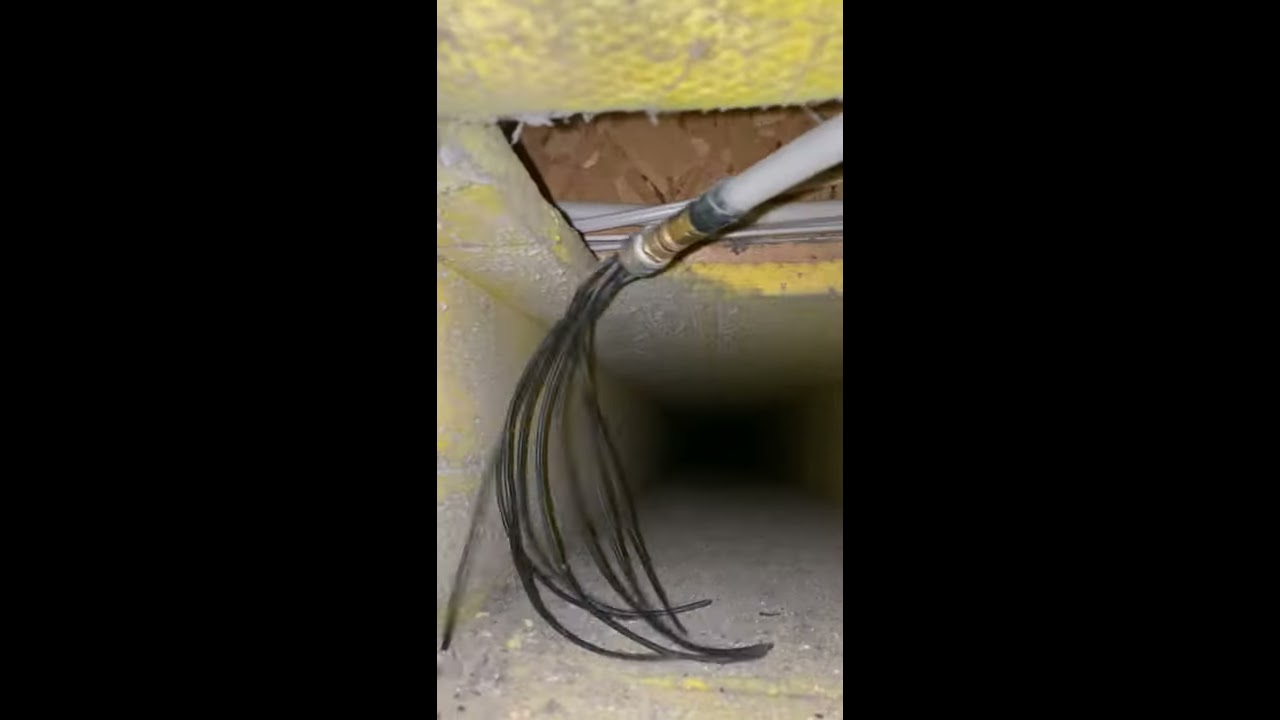
- Visual Inspection: Technicians use specialized cameras and lighting to assess the duct’s physical condition. They check for:
- Visible mold or slime build-up. Signs of rust or corrosion. Loose joints or leaks. Physical damage (dents, tears).
Key Components of a Detailed Report
A good inspection should never be a "pass/fail" assessment. It must be a detailed report that acts as a blueprint for action. This report should include:
- Photographic evidence of issues found. A risk rating (e.g., low, medium, high) for identified hazards. Specific recommendations for cleaning, repair, or replacement.
Building a Maintenance Cycle That Works for You
Rather than getting bogged down in a rigid schedule, the most effective approach is to adopt a cyclical, risk-based maintenance strategy. Ask yourself: What is the most valuable thing in my building? Is it its efficiency, its health, or its structural longevity?
Consider this quote: "The true cost of maintenance is not the money spent on cleaning, but the money lost due to failure."
To summarize the ideal maintenance rhythm:
- Annual Inspection: A baseline check for all commercial properties. Semi-Annual Inspection: Recommended for high-traffic, high-density, or chemically active environments. Immediate Inspection: Required after any significant structural change, major tenant turnover, or known leak/damage incident.
By proactively addressing the underlying issues, you keep your system running like a well-oiled machine, rather than letting it sputter and gasp for air.
Optimizing Your HVAC Investment for the Future
Knowing how often should commercial ducts be inspected Sydney? is just the first step. The final step is building a sustainable, long-term maintenance partnership with your service provider. Don't just look for the cheapest quote; look for the most knowledgeable expert.
When selecting a service, ensure they offer comprehensive diagnostic services, not just superficial cleaning. They should be able to explain why they recommend a certain frequency based on the specific needs of your building.
By adopting a thorough, proactive approach to ductwork maintenance, you are not just cleaning metal tubes; you are safeguarding the health of your occupants, maximizing your energy efficiency, and ensuring the long-term structural integrity of your commercial asset. What vital signs are your duct systems sending you today? Don't wait for them to whisper; schedule that comprehensive inspection and breathe easy.