Does your office air feel stale, heavy, or just… meh? While a nice scent diffuser might mask the smell of old socks and industrial dust, it doesn't solve the root problem. Commercial air handling units, while essential lifelines for any modern business, are also sophisticated dust traps. They circulate everything—pollen, pet dander, airborne particulates, and yes, sometimes even the faint aroma of last week's lunch—straight into your breathing zone. Ignoring the condition of your ductwork is like driving a car with bald tires; eventually, something is going to slip.
Understanding the correct duct cleaning frequency commercial NSW is not merely about compliance; it is a fundamental investment in your staff's health, your building's efficiency, and your bottom line. This detailed guide will cut through the confusion surrounding maintenance schedules, providing facility managers and business owners in New South Wales with the definitive knowledge needed to keep their HVAC systems running like a finely tuned Swiss watch, not a dusty relic from the industrial revolution.

Why Duct Cleaning is Non-Negotiable in NSW Businesses
Many business owners view duct cleaning as an optional, periodic expense—a "nice-to-have" service. However, treating it as such is akin to ignoring the warning lights on your dashboard. These ducts are not just metal tubes; they are complex conduits for breathable air, and when they are compromised, the consequences range from elevated utility bills to serious health risks.
The Health Imperative: More Than Just Dust
The most immediate and often overlooked impact of dirty ducts is on human health. When dust, mold spores, and accumulated contaminants build up within the ductwork, the system doesn't just blow dust out; it recirculates a potent cocktail of allergens and pathogens.
These ducts can become breeding grounds for notorious culprits like Aspergillus mold and various bacteria. For employees with allergies, asthma, or immune sensitivities, this constant exposure can turn a pleasant workday into a struggle for breath.
Consider the metaphor: a clean duct system is like a clear river, allowing life-giving air to flow freely. A dirty system, however, is like a sluggish, murky bog, constantly releasing airborne irritants. Is it really worth the risk to your most valuable assets—your employees—just to save a few hundred dollars on maintenance?
Energy Efficiency: The Hidden Cost of Neglect
Beyond the immediate health concerns, dirty ductwork acts as a significant impediment to your building's operational efficiency. Dust buildup, especially when coupled with insulation issues or dirty filters, forces your HVAC system to work exponentially harder.
This is where the cost of neglect becomes painfully clear. When the system has to fight against the drag and resistance created by accumulated debris, it consumes more energy. Over time, this inefficiency can drastically inflate your electricity and cooling bills. Regular professional cleaning ensures that the system operates at its peak designed capacity, allowing it to perform its job efficiently and save you money.
Determining the Ideal Duct Cleaning Frequency Commercial NSW
The single biggest source of confusion regarding duct cleaning frequency commercial NSW is the belief that there is one universal answer. The truth is that the optimal schedule is not a fixed date on a calendar; it is a variable calculation based on several factors unique to your specific business and environment.
Factors Influencing Your Cleaning Schedule
To determine if you need annual, semi-annual, or even quarterly service, facility managers must consider the following operational elements:
- Industry Type: A dentist's office (high concentration of biological particles) will have different needs than a quiet, administrative law firm. Occupancy Density: High-density offices or retail spaces with constant foot traffic accumulate more airborne debris. External Contaminants: If your building is located near heavy traffic, construction sites, or industrial areas, the ducts are taking a massive hit from external pollutants. Internal Sources: Smoking areas, kitchens, or areas that use volatile chemicals will accelerate buildup dramatically.
Recognizing High-Risk Environments
Some environments are inherently more prone to rapid contamination, regardless of general NSW guidelines. These include:
- Restaurants and Cafés: Grease buildup is a major hazard, requiring specialized cleaning techniques. Healthcare Facilities: High microbial loads necessitate stringent, often bi-annual, cleaning protocols. Industrial Workshops: Dust from machinery, metals, and solvents can clog systems quickly.
If you run a business in one of these high-risk categories, you should view professional duct cleaning not as a recommendation, but as a critical piece of risk mitigation.
Beyond the Brush: Maximizing Your HVAC System's Lifespan
While professional duct cleaning is the foundational step, it cannot be a standalone solution. Think of duct cleaning as a deep internal scrub; it must be paired with consistent, smaller maintenance routines to keep the system humming.
Implementing a Comprehensive Maintenance Checklist
A holistic approach requires looking at the entire HVAC ecosystem. Here are essential tasks that should be incorporated into your regular maintenance schedule:
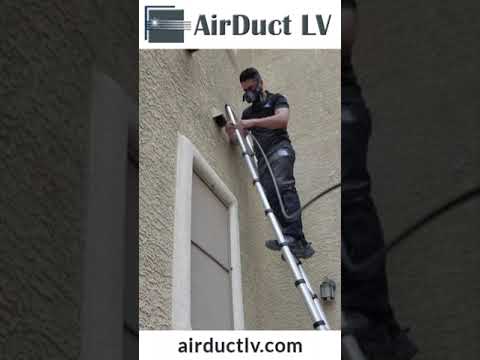
- Filter Replacement: This is the most frequent and simplest task. Filters should be checked and replaced at least every three months, or more often if air quality is poor. Visual Inspection: Quarterly inspections can help identify obvious leaks, tears, or damaged ductwork before they become catastrophic failures. Coil Cleaning: The evaporator and condenser coils need cleaning to ensure proper heat exchange. This is often overlooked but vital for efficiency.
As one HVAC expert wisely put it, "Preventative maintenance is cheaper than emergency replacement, and always safer than waiting until the system gasps for air."
Partnering with Local HVAC Specialists
When you are ready to address the duct cleaning frequency commercial NSW, selecting the right contractor is paramount. You need a team that doesn't just vacuum; they need to inspect, diagnose, and remediate.
When vetting providers, ask these critical questions:
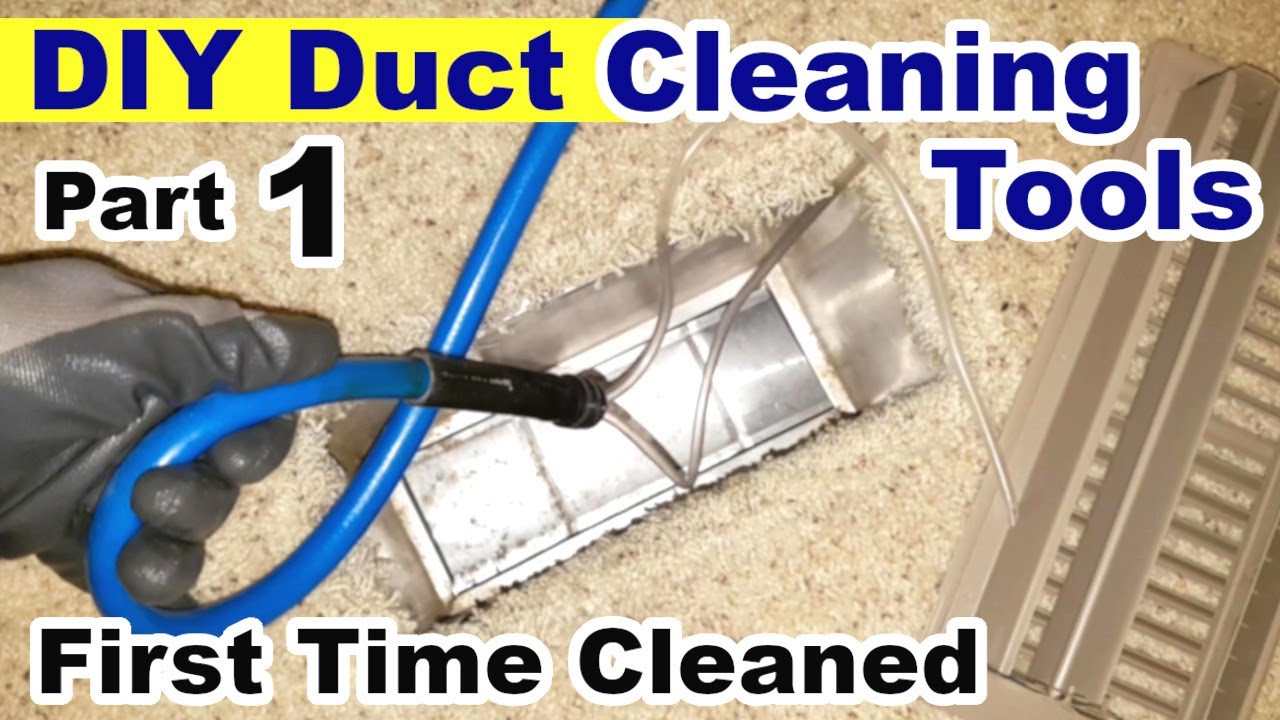
- Do they use industrial-grade, HEPA-filtered equipment? Are they licensed and insured for commercial work in NSW? Can they provide a detailed post-cleaning report identifying any structural weaknesses or necessary upgrades?
By treating your duct cleaning service as part https://landenwprp873.timeforchangecounselling.com/how-often-should-i-maintain-my-hvac-duct-system-a-comprehensive-guide of a comprehensive building management strategy, you ensure that your system is not merely passing air, but passing pure, healthy air.
Making your HVAC maintenance a core part of your operational budget is one of the most impactful, yet often ignored, investments a commercial property owner can make. It is a preventative shield, protecting your occupants and your profits. By establishing a clear understanding of the duct cleaning frequency commercial NSW guidelines and diligently following up with routine maintenance, you are ensuring that your business environment is a place of health, productivity, and clean air.